The Rower That Wasn't
When I first heard Peloton was canceling their rowing machine, my immediate reaction was annoyance. I'd just spent two weeks fielding requests from three department heads who wanted one for their team rooms. The marketing team loved the "full-body workout" angle. The sales director thought it'd look great in the new office. And I'd just started building a vendor comparison spreadsheet.
My initial thought? Great. Another vendor that can't commit to a product line.
The Surface Story: What We All Assumed
From the outside, it looks like a simple product failure. A company launches a rower, it doesn't sell as expected, they pull the plug. Happens all the time. Maybe the price was too high. Maybe the demand wasn't there. Maybe they couldn't compete with Hydrow or Concept2.
That's the surface-level explanation. And it's not wrong—it's just incomplete. What it misses is the business-level calculus that goes into product decisions at a public company, especially one in the premium fitness space.
The Deeper Reason: Ecosystem, Not Hardware
Here's what I didn't understand until I started digging: Peloton's real product isn't the hardware—it's the subscription ecosystem.
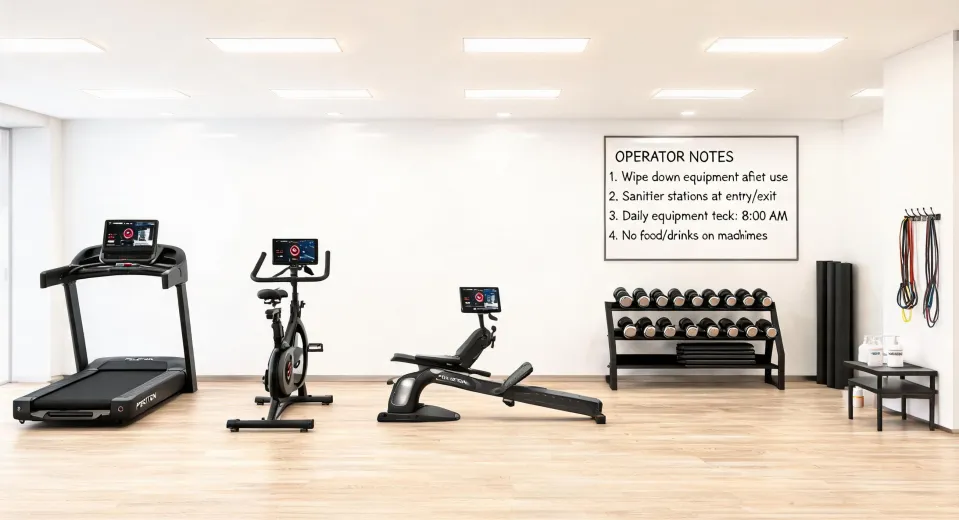
The rower, while well-reviewed, required its own content vertical. Different trainer expertise. Different class formats. Different space requirements in the studio. And all of that for a piece of equipment that historically has lower adoption than bikes or treadmills. In the corporate wellness world, I'd estimate maybe 15-20% of daily users in a typical office gym gravitate to a rower compared to the bike or treadmill. That's a hard sell when you're trying to justify a brand-new content pipeline.
People assume companies cancel products because they're bad. The reality is often more boring: the return on investment for maintaining the content ecosystem wasn't there. Peloton's leadership likely looked at the cost of class production—hiring instructors, producing live sessions, maintaining music licenses—and compared it to the subscriber base specifically for rowing. The math didn't work.
What This Costs a Corporate Buyer
This is where it gets personal for someone in my role. When a vendor cancels a product line, it's not just an inconvenience. It's a sunk cost for the organization.
Consider what we invest as a company when choosing a fitness equipment vendor:
- Research time: Hours spent reading reviews, comparing specs, calling sales reps. I probably put 10-12 hours into the Peloton rower consideration alone.
- Space planning: Finding space in a 12,000 sq ft office for a machine that needs specific floor requirements and ceiling height for rowing motion. Once it's in, it's hard to move.
- Internal buy-in: Convincing facilities, finance, and the wellness committee that this machine deserves budget. That's political capital I can't get back.
- Integration: Ensuring it works with our existing Peloton account structure and can be managed centrally.
The most frustrating part? Vendors rarely communicate product discontinuation proactively to B2B buyers. I learned about the rower cancellation from a LinkedIn post, not a customer success email. That's a problem when I'm halfway through a capital expenditure request.
Is the Rower the Right Choice for Your Office?
This isn't a knock on Peloton as a company. Their bikes and treadmills are still excellent products for corporate wellness. But the rower situation highlights something important for anyone managing B2B equipment purchases: you need to understand the vendor's product strategy, not just the product specs.
When evaluating any fitness equipment for your office, ask these questions:
- How long has this product been in market? Longer runs suggest deeper commitment.
- Does the vendor offer a clear product lifecycle roadmap? If they're vague, be cautious.
- What happens if they discontinue the hardware? Do you keep the content subscription? Is the machine still functional?
- Is the content ecosystem specific to this machine, or can it be repurposed? (Peloton's rowing classes were unique—they can't easily migrate to the bike.)
I'd rather spend 10 minutes asking these questions upfront than deal with the fallout of a discontinued product six months after installation. An informed buyer asks better questions and makes faster decisions.
The Lesson
When I took over purchasing in 2020, I assumed the biggest risk was choosing a bad product. I was wrong. The bigger risk is choosing a product from a vendor whose priorities shift faster than your procurement cycle.
Peloton's rower cancellation isn't a sign of failure. It's a sign of focus. And for B2B buyers, understanding that focus is more important than any feature list.
"The value of a product isn't just what it does today—it's what the vendor commits to doing with it tomorrow. Know the roadmap, or risk the dead end."