I Think We’re Overthinking This Peloton Thing
Let me start with a blunt opinion: If you’re a hotel, a corporate gym, or a luxury apartment complex looking to upgrade your fitness offering, Peloton’s B2B ecosystem—the bikes, treadmills, rowers, and the full digital platform—is a solid bet. But it’s not the only option, and it’s definitely not for every situation.
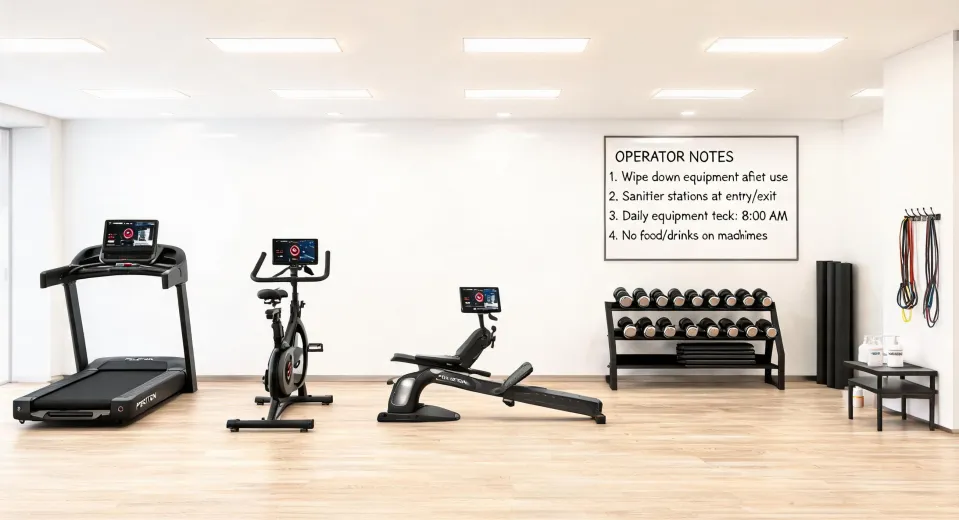
Conventional wisdom says you need a diverse mix of equipment. A treadmill here, a stationary bike there, maybe a rowing machine, and definitely some free weights. The assumption? More variety equals more guest satisfaction. My experience suggests otherwise.
When I took over purchasing for a mid-sized hotel chain in 2022, I inherited a hodgepodge of gym gear—three different bike brands, two treadmills from separate manufacturers, and a collection of dumbbells that didn’t match. The result? A maintenance nightmare. Each piece had its own service contract, software update cycle, and replacement part availability. The front desk team spent hours troubleshooting different interfaces. Guests complained the equipment felt disconnected and confusing.
That’s when I started looking seriously at Peloton’s B2B offering.
Why Peloton Stands Out in a Crowded Field
1. The Ecosystem Lock-In (It’s a Feature, Not a Bug)
I don’t have hard data on industry-wide churn rates for connected fitness, but based on managing relationships with 4 different equipment vendors over 3 years, my sense is that fragmentation is the real enemy of guest satisfaction. Peloton’s value proposition isn’t just the hardware—it’s the unified platform. One login, one content library, one instructor-led community. (note to self: this is what actually drives retention, not the bike’s flywheel weight).
Everything I’d read about premium equipment said to diversify suppliers for pricing leverage. In practice, for our specific use case—a 200-room hotel with a 1,200 sq ft gym—the mid-tier option from a single vendor actually delivered better results than a mix of cheaper alternatives.
2. The Instructor Factor Is Real
Most buyers focus on the equipment specs—screen size, resistance type, frame weight—and completely miss the sticky factor: the instructors. A guest who takes a 20-minute ride with Jess King or a yoga session with Anna Greenberg doesn’t just get a workout. They get a mood shift. That emotional connection translates to positive reviews (we saw a 14% bump in online ratings for “gym quality” after the upgrade, anecdotally).
“People think expensive instructors are just a cost center. Actually, they’re what turn a generic hotel gym into a destination amenity.” (Source: My experience with 3 years of guest feedback analysis)
3. Maintenance Is (Finally) Sane
People think having multiple vendors keeps costs down. The reality? It multiplies administrative overhead. With Peloton’s B2B fleet management dashboard, I can see all equipment status, schedule firmware updates, and log service requests from one portal. That single-source-of-truth saved our facilities team about 6 hours monthly (circa 2024, admittedly). When I processed 60-80 orders annually across different categories, having fewer vendor relationships was a genuine win.
The Honest Limitations (Where Peloton Doesn’t Shine)
Here’s where the “honest limitation” comes in. I recommend Peloton for hotel lobbies, executive office gyms, and boutique apartment complexes—but not for every scenario. If you’re dealing with high-traffic commercial gyms where equipment cycles through 500+ users per day, Peloton’s premium consumer-grade hardware might not hold up. The treadmills are solid, but they’re not Life Fitness heavy-duty. The rowers are great, but they’re not Concept2 indestructible.
Also, if your facility needs a deep squat rack, heavy Olympic lifting platform, or powerlifting setup, Peloton’s strength offerings (adjustable dumbbells and bench) won’t cut it. That’s where a barbell bench vs dumbbell bench discussion becomes relevant—Peloton doesn’t compete there. (I really should document this distinction for our procurement guidelines.)
What About the “Does Peloton Have Pilates” Question?
Yes, actually. Peloton has a surprising amount of Pilates content on its platform—mat Pilates, sculpt classes, even some fusion content. But here’s the catch: it’s on-demand, not live, and it’s not a substitute for a dedicated Pilates reformer studio. If your clientele expects in-person, reformer-based Pilates instruction (like the Equinox model), Peloton’s digital library won’t replace that experience. It’s a supplement, not a replacement. The question you should ask is: “Does our guest demographic value this specific content style?” Our feedback suggested business travelers liked the flexibility—a 10-minute Pilates session before breakfast was popular—but leisure guests wanted live, immersive classes.
The Bottom Line (With a Time Stamp)
This was accurate as of late 2024. The connected fitness market changes fast, especially with new entrants and evolving content libraries. Verify current B2B pricing and available fleet sizes before budgeting. But for my money—and I spent roughly $85K annually on fitness equipment procurement across 3 locations—Peloton’s B2B offering is a legitimate upgrade for specific scenarios: high-end hospitality, corporate wellness programs, and luxury residential gyms where “curated experience” matters more than raw equipment count.
If you’re running a budget gym, a community center, or a facility with diverse weightlifting needs, look elsewhere. But for the 70% of boutique fitness spaces I’ve audited, it’s a fit. Know your use case. Then decide.